
Climate Overview
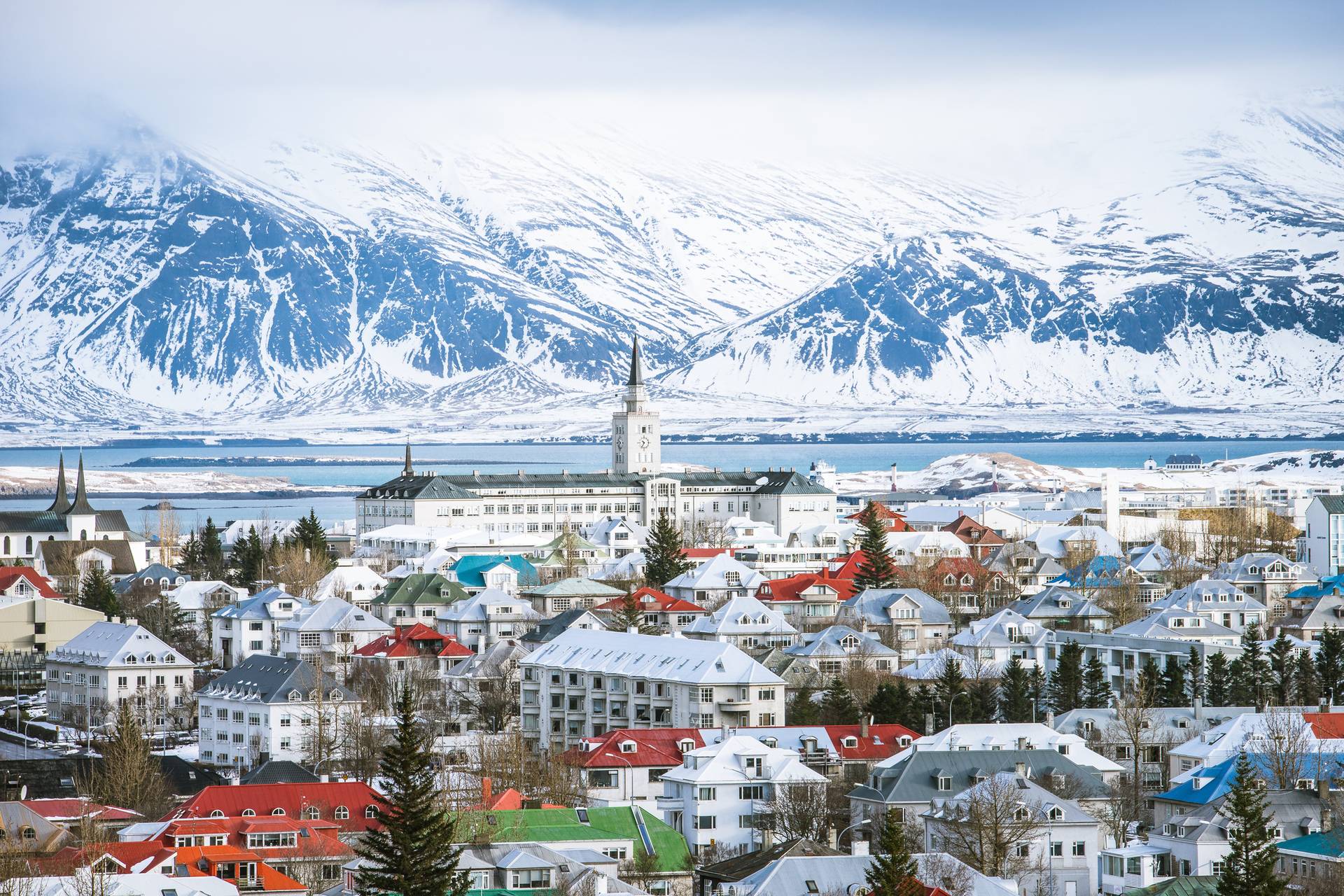
Iceland’s weather has a reputation for being wild, but the reality is more about gentle coolness than Arctic extremes. Even in winter, temperatures in coastal spots like Reykjavik hover around 3°C, while summers are fresh and bright at a comfortable 14°C. You’ll never melt here, but you won’t freeze your socks off either.
This island’s weather is famously changeable - sun one minute, rain the next, and maybe a bit of both if you’re lucky. The north and east tend to be a touch drier and less windy than the south and west, while the Westfjords see fewer visitors and a bit more chill. If you’re after volcanic beaches or want to dip a toe in the sea, you’ll find the Atlantic stays brisk all year - but the scenery more than makes up for it.
Seasons Overview
Spring (March - May): Spring in Iceland is crisp and lively, with air temperatures rising from 4°C in March to 10°C by May. Rain eases off as the season goes on, and daylight stretches to a generous 6 hours by late spring. Pack layers if you’re keen for outdoor adventures - the weather’s still on the cool side, but you’ll see the landscape waking up after winter.
Summer (June - August): Summer is Iceland’s warmest stretch, with air temperatures peaking at 14°C in July and August, and sea temperatures reaching 11°C. Rainfall stays moderate and days are as long as your wish list, with up to 6 hours of sunshine. It’s the best time for exploring beaches and catching those midnight sun moments, even if you’ll want a jumper on standby.
Autumn (September - November): Autumn in Iceland means cooler air, dropping from 11°C in September to 4°C by November. Rain picks up again, especially in October, and sunshine hours dip - but the changing colours and crisp air can be properly refreshing. Expect a mix of showers and bright spells, and don’t be surprised if the weather keeps you guessing.
Winter (December - February): Winter brings the chilliest weather, with air temperatures sticking at 3°C and sea temperatures around 5°C. There’s not much sun - just 1 or 2 hours a day - and humidity stays high. Rain is regular but not overwhelming, and the long nights are perfect for hunting the northern lights or warming up in a hot spring if you’re feeling boujee.
Best Time To Visit
For a beach holiday in Iceland, your best shot is during the summer months, from June to August. This is when the air is at its warmest, reaching up to 14°C, and the sea climbs to a bracing 11°C. Rainfall is lower than autumn and winter, and the longer days mean you can make the most of every daylight hour, whether you’re lounging on black sand or dipping a toe in the North Atlantic. It’s not your classic sunbathing spot, but if you fancy dramatic views and a chill-out vibe, summer is the top-tier choice.
Temp
8°C
Average high
Rain
67mm
Per month
Sun
4hrs
Per day
Humidity
78%
Average
| January | 3°C | 75mm |
|---|---|---|
| February | 3°C | 70mm |
| March | 4°C | 80mm |
| April | 6°C | 60mm |
| May | 10°C | 45mm |
| June | 12°C | 45mm |
| July | 14°C | 50mm |
| August | 14°C | 60mm |
| September | 11°C | 70mm |
| October | 7°C | 85mm |
| November | 4°C | 80mm |
| December | 3°C | 80mm |
Average weather in Iceland
- Jan3°CAvg. Rain: 75mm
- Feb3°CAvg. Rain: 70mm
- Mar4°CAvg. Rain: 80mm
- Apr6°CAvg. Rain: 60mm
- May10°CAvg. Rain: 45mm
- Jun12°CAvg. Rain: 45mm
- Jul14°CAvg. Rain: 50mm
- Aug14°CAvg. Rain: 60mm
- Sept11°CAvg. Rain: 70mm
- Oct7°CAvg. Rain: 85mm
- Nov4°CAvg. Rain: 80mm
- Dec3°CAvg. Rain: 80mm