Iceland holidays are one of the few breaks away where you can see a glacier, soak in a geothermal lagoon, and chase the Northern Lights all in one day.
Holidays to Iceland 2026 and 2027 highlights
Northern Lights – the ultimate winter main event, painting the dark night skies in electric greens and purples from late September through mid-April.
The Blue Lagoon – steam, 38°C milky geothermal waters, silica face masks, and a swim-up bar smack-bang in the middle of a jagged black lava field - pure relaxation.
The Golden Circle – Iceland’s iconic day-trip loop packing the erupting Strokkur geyser, the thundering Gullfoss waterfall, and Thingvellir National Park all into one epic outing.
Glacier Adventures – strap on crampons for a walk across Vatnajökull (Europe's biggest ice cap) or explore glowing natural ice caves beneath the surface in winter.
The Midnight Sun – endless daylight from late May to early August, when the clock hits 11pm and it still feels like 3 in the afternoon. Total main-character energy.
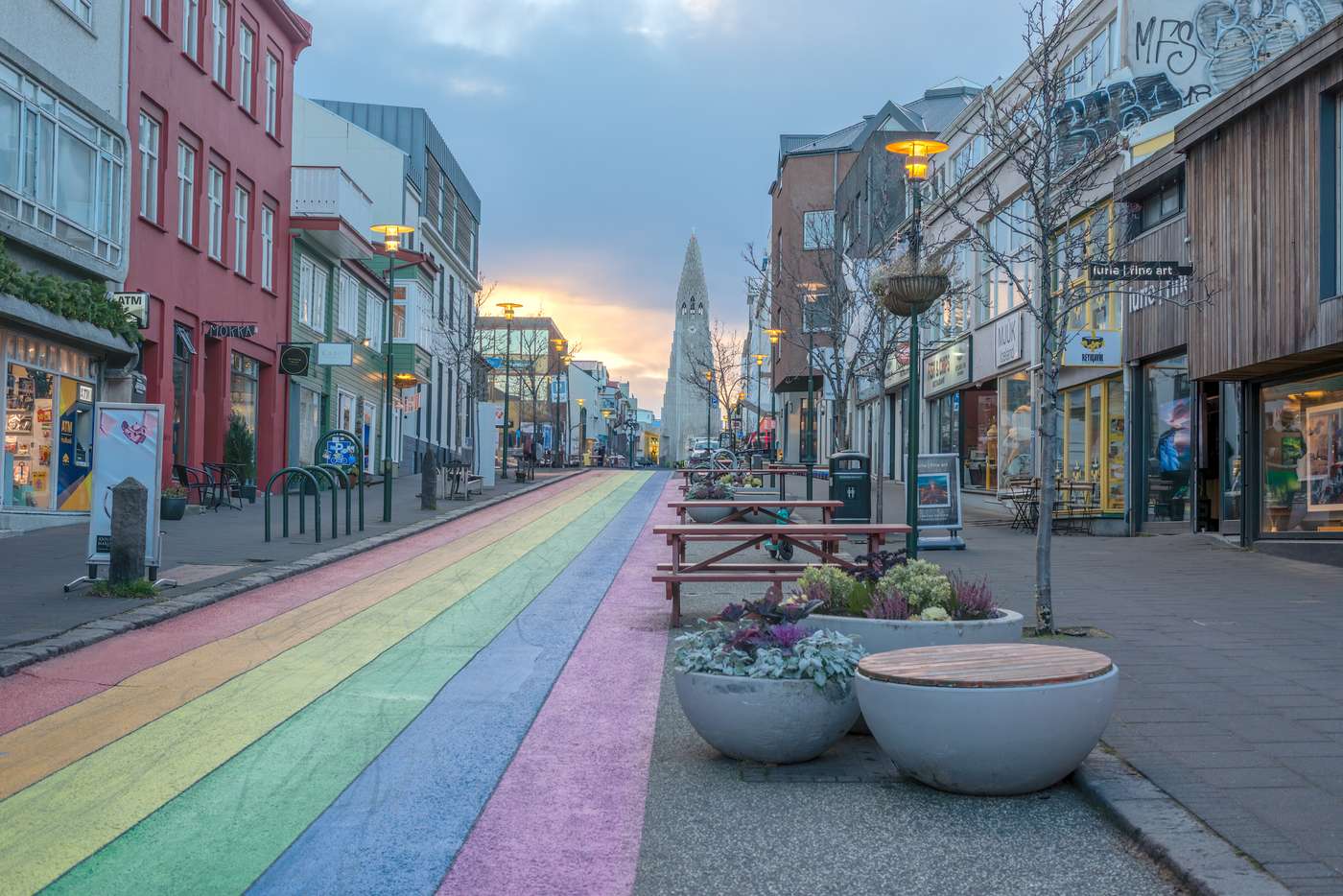
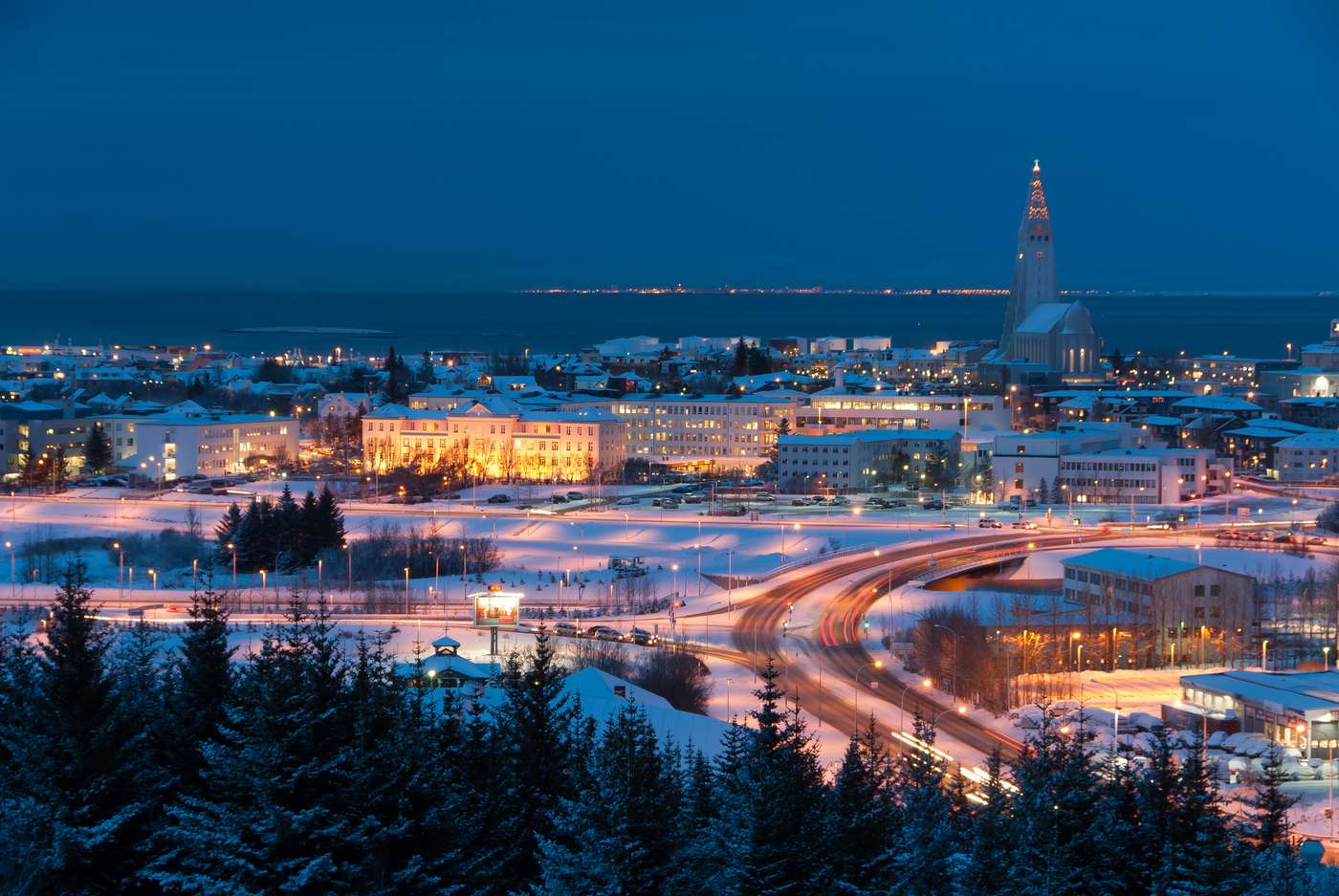
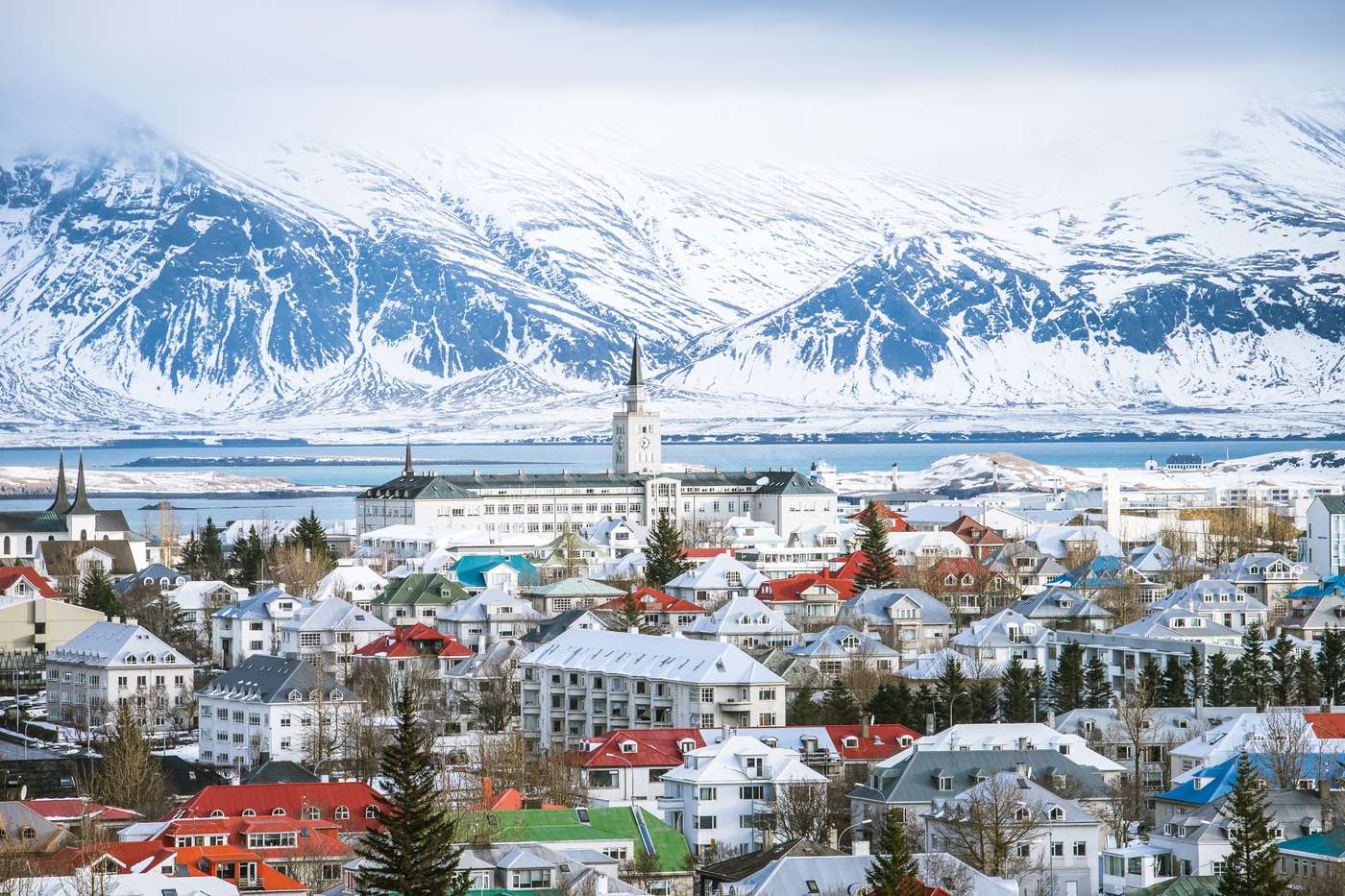
Reykjavik Vibes – a capital with huge personality, packed with colourful timber houses, the towering Hallgrímskirkja church, legendary coffee spots, and a notoriously lively pub circuit - Reykjavik is an absolute must for any city break lover.
Good to Know for your Iceland holidays
Weather - summer highs sit at 10 to 15°C with the famous midnight sun; winter hovers around 0°C with short days. Pack layers and waterproofs; whatever month you go, the weather can flip four times in a day.
Pint price - around 1,200–1,500 ISK (£7–£9) - yep, a little spenny, but worth it when you’re toasting under the midnight sun. If you want our top tips for doing Iceland on a budget, see our FAQ's.
Volcanic brag - Iceland has over 30 active volcanoes, and new eruptions can pop up when you least expect them (don’t worry, locals are absolute pros at dealing with them).
City Breaks - Iceland also works brilliantly as a city break - three to four nights in Reykjavik covers the headline sights without needing to hire a car - sounds like a dream to us.
A holiday in Iceland is perfect for you if...
You want glaciers, geysers and the Northern Lights from a city hotel, three hours from home.
You'd rather sit in a hot pool under the stars than lie on a sunbed.
You want an Iceland city break where the best bits are a day trip away.
You'll happily swap sunshine for drama, as long as you've packed a proper coat.
Top 5 Things to Do on Iceland Holidays
Snorkel between two continents at Silfra – suit up in a drysuit and float through the crystal-clear, glacier-fed rift in Thingvellir where the Eurasian and North American tectonic plates tear apart.
Soak in oceanfront thermal waters at Sky Lagoon – swap the crowded classic spa for this cliffside geothermal infinity pool overlooking the North Atlantic, complete with a traditional seven-step wellness ritual.
Plunge into a dormant volcano chamber – lower 120 metres straight down into the ancient, colourful magma cavern of Þríhnúkagígur aboard an open cable lift.
Walk behind a thunderous waterfall at Kvernufoss – ditch the massive tour buses at Skógafoss and follow a quiet river gorge to duck directly behind the roaring veil of this hidden gem.
Snowmobile across a massive ice cap – trade the standard tour bus for a high-speed thrill ride floating over the endless white horizons of the Langjökull glacier.
Top hotels for Iceland holidays 2026 and 2027
In a land where the sun never sets, you might be thinking... when will I even have time to sleep? But trust us, you'll need to... it's science or something. City escapes aren't always the kinda holiday you plan; they're more of a last-minute escape kinda vibe, but whatever your vibe, we've got a hotel to suit you. See all hotels in Reykjavik, or browse our top picks below.
What are the best hotels for a couples' Iceland city break?
Canopy by Hilton Reykjavik City Centre is right in the centre with design-led rooms, local Icelandic art throughout, and Laugavegur's bars and restaurants on the doorstep.
Reykjavik Marina, Berjaya Iceland Hotels sits on the old harbour with quirky nautical-themed rooms, harbour and mountain views, and Slippbarinn downstairs. A properly characterful pick.
Sandhotel by Kea hotels is a four-star on Laugavegur, right above one of Reykjavik's best-loved bakeries, with breakfast included and the city's bars and restaurants on the doorstep. One of the best-reviewed hotels we sell in the city.
Which hotels are best for an Iceland family holiday?
Grand Hotel Reykjavik has dedicated family rooms and junior suites and a brasserie restaurant, around 15 minutes' walk from the centre with green space nearby.
Midgardur by Center Hotels is a sleek, central spot right on Laugavegur with a spa, two hot tubs and a sauna, and family rooms for recharging after a day chasing waterfalls or the aurora.
Fosshotel Reykjavik is a four-star with family rooms across several categories, the Haust restaurant celebrating seasonal Icelandic ingredients, and a Beer Garden on the ground floor for parents needing a wind-down.
What are the best luxury hotels for Iceland holidays?
Reykjavik Konsulat Hotel, Curio Collection by Hilton is a boutique stay in the oldest part of Reykjavík, in a former department store with vintage decor, an Icelandic bathhouse with a hot tub and sauna, and a wine room serving breakfast. The most characterful luxury option in town.
Iceland Parliament Hotel, Curio Collection by Hilton sits next to the Parliament on Austurvöllur square, with luxury rooms and suites, a geothermal spa, dinner at Hjá Jóni and a historic ballroom. Harpa, the cathedral and Laugavegur are all walkable.
Hilton Reykjavik Nordica is the bigger Hilton on the eastern edge of the centre, with VOX Brasserie, a full-service spa and serious wellness facilities. Better value than the boutiques.
Which hotels are best for a cheap Iceland city break?
Skuggi Hotel by Keahotels is a comfortable, well-reviewed pick a couple of minutes from Laugavegur, the main shopping street, with breakfast included at a softer rate than the boutiques.
Reykjavik Lights by Keahotels has a restaurant, a bar and a buffet breakfast, with bars and restaurants close by and big views over the city.
Grandi By Center Hotels is a lively four-star out in the Grandi harbour district, with its own restaurant and bar and the Old Harbour's whale-watching boats and the Lava Show a short walk away.
Local Lingo
Icelandic is the official language, and English is spoken almost universally; Iceland has one of the highest English-fluency rates in the world. Locals don't expect visitors to attempt Icelandic (it's notoriously hard, with five grammatical cases and a thousand-year-old vocabulary), but a few phrases earn a smile:
Halló (HAH-loh) - hello
Takk (tahk) - thanks, or takk fyrir (tahk FIRR-ir) for "thank you"
Vinsamlegast (VIN-sam-leh-gast) - please
Fyrirgefðu (FIRR-ir-gev-thu) - excuse me, or sorry
Einn bjór, takk (ayn byohr, tahk) - one beer, please
Skál! (skowl) - cheers (literally "bowl", what you say when clinking glasses)
Bless (bless) - goodbye (yes, really)
Getting to Iceland
Three hours. That's all that stands between you and a country with more volcanoes than traffic lights, geothermal lagoons you can actually swim in, and a sky that occasionally turns green. Direct flights to Reykjavik Keflavik run year-round from London Gatwick, Heathrow, Manchester, Edinburgh and Bristol - meaning Iceland is genuinely closer than a lot of people realise, and significantly more dramatic than anything you'd find on a four-hour flight to the Med.
Icelandair and EasyJet both operate UK routes, with frequencies picking up in summer for the midnight sun crowd and again in autumn for the Northern Lights chasers. Timing matters here more than most destinations - aurora season runs late September through April, and peak viewing windows book out fast once solar activity forecasts start circulating. Book an Iceland holiday package with OTB and your flights and hotel are locked in together under one ATOL-protected booking from £19pp deposit, so when everyone else is panic-refreshing availability in October, you're already sorted.
Iceland Holidays 2026 / 2027 - Travel Guide
Couples
Northern Lights tour from Reykjavik - small-group bus tours run nightly between September and April, with free re-bookings if the aurora doesn't show on your night. Most operators include hot chocolate and a guide who knows the dark-sky lay-bys.
Sky Lagoon at sunset - the alternative to the Blue Lagoon, on the Reykjavik coast with an ocean-view infinity edge and a seven-step bathing ritual. Premium-end pricing but worth it for the sunset slot.
Tasting menu at Dill - Iceland's first Michelin-starred restaurant, hyper-local seasonal cooking that rotates with what's foraged and farmed that month. Book weeks ahead.
Private hot pot at a country guesthouse - outside Reykjavík, plenty of small farmstays have private outdoor hot tubs for guests, brilliant for an aurora night under the stars.
Walk the Reykjavík harbour at sunset - the best free activity in the city, with the Sun Voyager sculpture, the Harpa concert hall lit up after dark, and Faxa Bay views.
Families
Whale-watching from Reykjavik harbour - boat trips run year-round (best April to October) to spot minke whales, humpbacks, white-beaked dolphins and harbour porpoises. Discounted family tickets standard.
Reykjavik's geothermal pools - the city has six public swimming pools heated by geothermal water, all with hot pots and slides, costing about £8 / €10 for adults and half that for kids. Laugardalslaug is the biggest and most family-friendly, and properly cheap next to the headline spas.
Settlement Exhibition (Landnámssýningin) - built around an excavated Viking longhouse from around 871 AD, in central Reykjavik. Properly hands-on for older kids, and free for under-18s.
Family Park and Zoo (Húsdýragarðurinn) - small Icelandic-animal-focused zoo and family park in Laugardalur with reindeer, foxes, seals and a kids' splash zone in summer.
Icelandic horse riding - Iceland's small, distinctive horses are a child-friendly riding experience even for non-riders. Several stables outside Reykjavik run 1-2 hour beginner trips suitable for kids from around age six.
Groups
Ring Road campervan trip - rent a six-berth campervan from Reykjavik, do the 1,332 km loop in 5 to 7 days, sharing fuel and pitches. Properly memorable for a group of mates, and one of the cheaper ways to cover the whole country at your own pace.
Super-jeep tour to the Highlands - modified 4x4s heading into the volcanic interior, Landmannalaugar, Þórsmörk, glacier crossings, places ordinary cars can't reach. Premium-end day trips for a once-in-a-lifetime experience.
Glacier hike on Sólheimajökull - half-day guided crampon-and-ice-axe walks on the most accessible glacier from Reykjavik. No experience needed; the operators provide everything.
Silfra Fissure snorkel - snorkel between the Eurasian and North American tectonic plates in 2°C glacier-fed water (drysuits provided). Properly cold, but visibility runs to 100m, the clearest fresh water on earth.
Reykjavik runtur (bar crawl) - the local tradition of moving from bar to bar through the small hours. Kaffibarinn, Prikið, Pablo Discobar, Slippbarinn (see Nightlife below) all cluster within walking distance.
Best Day Trips to do on your holidays in Iceland
Reykjavík is the cool kid on the icy block, but the real magic happens when you leave the city limits and hit the open road. Whether you’re hiring a swanky 4x4 or hopping on a guided coach tour, these day trips are absolute belters that ensure your holidays to Iceland are packed with adventure.
The Golden Circle - the classic introductory loop hitting Thingvellir National Park, the erupting Strokkur geyser, and Gullfoss waterfall. The most-booked day trip in the country.
The South Coast - massive waterfalls like Skógafoss and Seljalandsfoss (the one you can walk behind), the black sand beach at Reynisfjara, and basalt sea stacks at Vík. Keep well back from the water at Reynisfjara: sudden "sneaker waves" run far up the beach without warning. A full day with serious scenery.
Snæfellsnes Peninsula - often called 'Iceland in Miniature', this region is packed with glaciers, lava fields, and the famously photogenic Kirkjufell mountain. A long but rewarding day.
Silfra Fissure Snorkelling - snorkel between the tectonic plates in crystal-clear glacier-fed water. Freezing cold, but the visibility runs to 100m, and the bragging rights are real.
Into the Glacier - drive up Langjökull in a modified glacier vehicle and walk inside a man-made ice tunnel carved 30m below the surface. Year-round, around £150 / €180 a head.
Reykjadalur Hot Spring Hike - a 3km hike from Hveragerði that rewards you with a dip in a natural hot river. Free, scenic, and feels properly off-the-beaten-track despite being 45 minutes from the capital.
More Destinations
If Iceland isn't on your bucket list (even after you've heard all about it), don't worry, we've got plenty of other options that are giving a similar vibe; have a nosy below and thank us later:
Lapland (Finland), the direct aurora alternative, Northern Lights, husky safaris, glass-roofed igloos, Santa Claus Village in Rovaniemi, and a winter snow-and-fairy-tale feel that's properly different from Iceland's lava-and-glacier vibe. Direct flights to Rovaniemi, Levi and Kittilä in winter.
Helsinki (Finland), the Nordic city break for design lovers, Suomenlinna sea fortress, the Design District, sauna culture and a strong food scene. A 3-hour flight from the UK with year-round appeal.
Copenhagen (Denmark), Nyhavn's colourful harbourfront, Tivoli Gardens, Christiania, and one of the densest Michelin-star scenes in northern Europe. Cycle-friendly and walkable, brilliant for a long weekend.
Tallinn (Estonia), the medieval old town that's one of Europe's best-preserved, plus a strong digital-nomad coffee scene and a ferry hop to Helsinki for a two-city trip.
Amsterdam (Netherlands), canals, Rijksmuseum and Van Gogh, brown-café culture, and a flat city you can cycle in a day. The most accessible Northern European city break, an hour's flight from the UK.
Popular Iceland hotels
More Iceland hotelsStunning Iceland resorts
Weather in Iceland
Iceland does its own thing when it comes to weather — expect the unexpected, and pack for all four seasons no matter when you go.
Summer (June–August) is peak season, with long days and mild temps around 10–15°C. The midnight sun means endless time for road trips, whale watching, and chasing waterfalls without checking your watch.
Autumn (September–November) cools down to 5–10°C, with crisp air and fewer crowds. It’s prime Northern Lights season, and hiking trails are still open for exploring colourful landscapes.
Winter (December–February) is cold, snowy, and magical, with temps hovering around 0°C. Perfect for glacier tours, ice caves, and soaking in hot springs while the aurora dances above.
Spring (March–May) sees the snow melt away, temps rising to 5–10°C, and nature coming back to life. Expect puffins returning to the cliffs, longer daylight hours, and quieter sights before summer kicks off.
Planning your trip? See month-by-month averages and find the best time to go. Iceland weather by month
View destination on a map
View destination on a map
FAQs
How long does it take to fly to Iceland?
How long does it take to fly to Iceland?
Flights from the UK/Ireland to Iceland usually take around 3 hours.
What's the time difference between the UK/Ireland and Iceland?
What's the time difference between the UK/Ireland and Iceland?
Iceland is on GMT year-round and doesn't observe daylight saving. So in winter Iceland and the UK / Ireland are on the same time, and during British Summer Time (late March to late October) Iceland is one hour behind. No real jet lag in either direction.
What currency do they use in Iceland?
What currency do they use in Iceland?
The official currency in Iceland is the Icelandic Krona.
What language do they speak in Iceland?
What language do they speak in Iceland?
The official language in Iceland is Icelandic.
When's the best time to visit Iceland?
When's the best time to visit Iceland?
Each season delivers a different version of the country. Late September to mid-April is peak Northern Lights season, with December to February the snowiest and most atmospheric for ice caves and aurora chasing. June to August is midnight-sun season, with hiking and Ring Road driving at their best and almost 24-hour daylight. April to May and September to October are the shoulder seasons with longer-than-winter daylight, autumn colour or returning puffins, and noticeably softer hotel rates.
Is Iceland good for a city break?
Is Iceland good for a city break?
One of the most underrated city breaks in Europe, full stop. Reykjavik is compact enough to walk in a day but packed enough to fill four - great coffee shops, a brilliant bar scene, and every glacier, waterfall and geyser day trip you can think of radiates straight out of the city and back by evening. Three to four nights is the sweet spot, no car needed.
How many days do you need in Iceland?
How many days do you need in Iceland?
Three to four nights for a Reykjavik city break, five to seven if you want to add South Coast and Golden Circle day trips, ten-plus for the full Ring Road loop. First-timer? Five nights is the answer - long enough to feel like you've actually been, short enough that you'll immediately want to go back.
Can I really see the Northern Lights?
Can I really see the Northern Lights?
Yes, but it's never guaranteed. The aurora needs three things: dark skies (you need to be away from city lights or at least out of central Reykjavik), clear skies (so the cloud cover plays a part), and decent solar activity. Most tour operators offer free re-runs if your night doesn't deliver.
October to March is your best window. Solar Cycle 25 peaked in October 2024, and a rare double-peak pattern means strong aurora activity continues through 2026, so this winter is one of the last seasons of unusually strong viewing before the cycle's gradual decline.
How do I keep an Iceland holiday cheap and make sure it's still brilliant?
How do I keep an Iceland holiday cheap and make sure it's still brilliant?
Iceland has a reputation for being expensive, but a brilliant Iceland trip on a sensible budget is genuinely doable if you know where the savings sit.
The big lever is the package: book through us with a low deposit and you lock in flights, hotel and transfers at a single price, which usually undercuts piecing it together separately, especially in aurora season when individual hotel rates spike.
Stay central in Reykjavik in a four-star with breakfast included: this saves you the £25 / €30 per-person sit-down-breakfast bill every morning, which over a four-night trip adds up fast. Our Value picks (Alda, Center Hotels Plaza, Fosshotel Baron) do this well.
Skip the Blue Lagoon, do the public pools instead: Reykjavik has six public geothermal swimming pools heated by natural hot springs, all with hot pots, all open year-round, all costing around £8 / €10 entry (compared to £75 / €90 at the Blue Lagoon). Laugardalslaug is the biggest. Locals go to these, not the headline spas.
Cheap-eats discipline: Bæjarins Beztu Pylsur hot dogs (£5 / €6), Reykjavik Roasters coffee instead of restaurant breakfast, Bónus supermarket for lunch (the pink-pig logo, properly affordable), and one nice dinner instead of three.
Book day-trips not car-hire unless you genuinely need flexibility: the Golden Circle and South Coast day trips run from £55 / €65, the equivalent car rental plus fuel plus parking costs you significantly more on a three-day trip.
Pick the right season: late April to May and September to early October give you the longer-than-winter daylight, autumn colour or returning puffins, no peak-summer crowds, and noticeably softer hotel rates than the June-August or aurora-season peaks. Aurora is also visible in late September and through October.