
Climate Overview
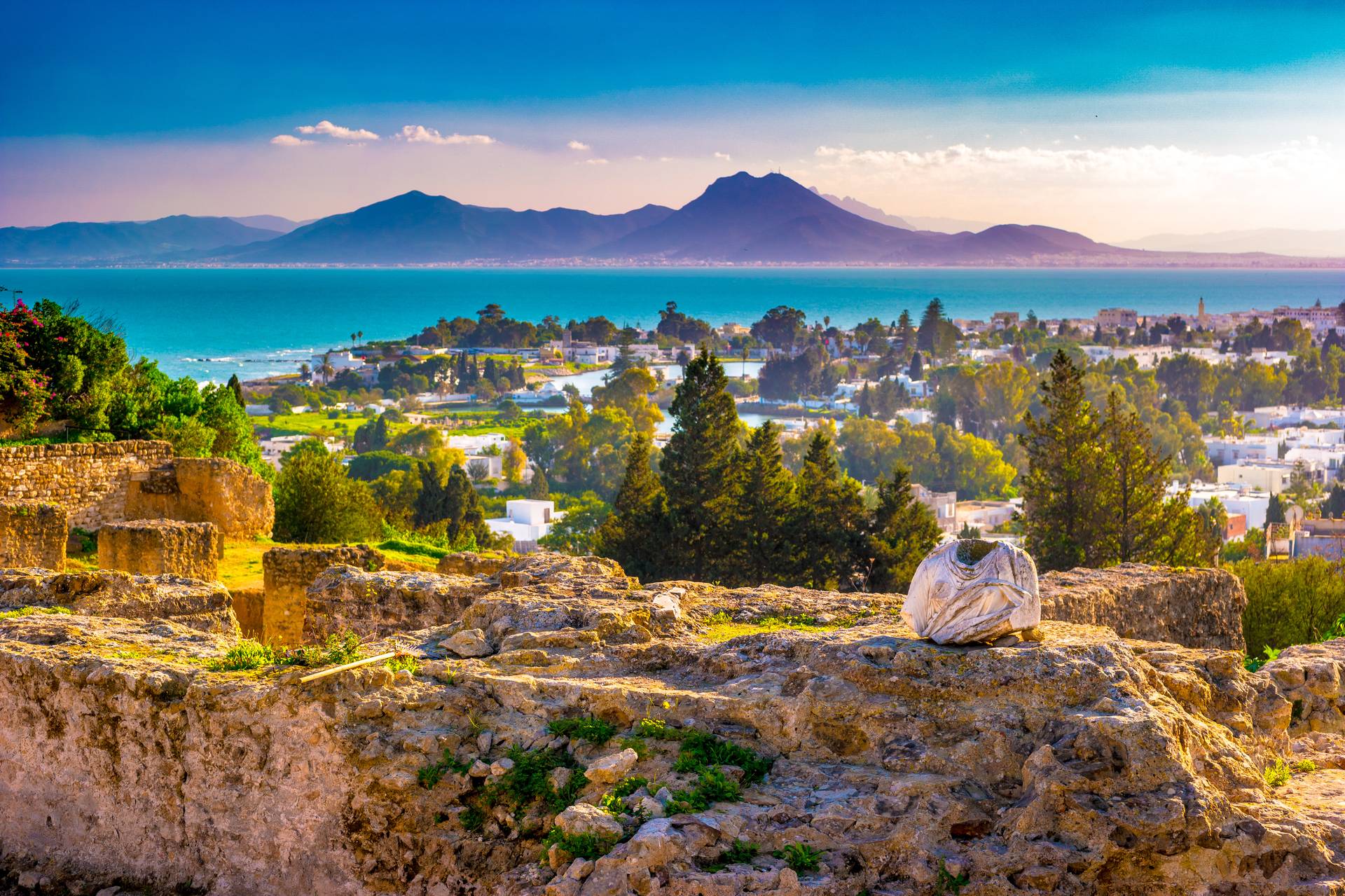
Tunisia’s coastline enjoys a Mediterranean climate that’s all about sunshine, sea breezes, and easy-going warmth. From winter right through to autumn, you get a steady shift from mild days to seriously hot summers, with rainfall mostly keeping its distance. The air’s never too sticky and sunshine is a reliable companion, even in the cooler months.
The north’s beaches near Tunis are a favourite for classic summer escapes, while the island of Djerba in the south is known for slightly warmer winter temperatures and a bit more sunshine. If you fancy a change from the main coast, head to the Cap Bon peninsula or Djerba for a different vibe and some swanky resorts.
Seasons Overview
Spring (March - May): Spring in Tunisia is when things start to warm up, with temperatures climbing from 19°C in March to 26°C by May. Rainfall backs off, dropping to just 20mm in May, and sunshine hours pick up nicely. The sea stays cool but edges closer to swimming weather, making it a good time for laid-back holibobs before the crowds arrive.
Summer (June - August): Tunisia’s summer is hot and dry, with air temperatures peaking at 34°C in July and August. Rain is almost non-existent, and you can count on up to 12 hours of sunshine every day. The sea hits a comfortable 27°C, so you’ll want a dip to cool off after soaking up all that sun. It’s top-tier for beach lovers who don’t mind the heat.
Autumn (September - November): Autumn brings a gentler heat, with temperatures dropping from 31°C in September to 21°C by November. Rainfall creeps up a bit, especially in October, but sunny days are still common. The sea stays warm well into November, so you can squeeze in a late swim or two without feeling chilly.
Winter (December - February): Winter in Tunisia is mild, with air temperatures hovering around 16-17°C and sea temperatures matching closely. Rainfall is at its highest but still manageable, and sunshine sticks around for 5-7 hours each day. It’s not exactly scorchio, but if you’re after a quiet escape that’s warmer than the UK, Tunisia’s winter won’t disappoint.
Best Time To Visit
For a classic beach holiday, June to September is the prime window, with air temperatures sitting between 31°C and 34°C, plenty of sunshine, and sea temperatures reaching a delish 27°C. Rain is almost invisible, so you’ll spend your days sunning and swimming without a care. If you prefer things a bit cooler and less crowded, late spring (April-May) or early autumn (September-October) is a smart move. Djerba and the southern coast are worth a look for winter sun, with milder weather and a touch more warmth than the northern beaches.
Temp
25°C
Average high
Rain
31mm
Per month
Sun
9hrs
Per day
Humidity
67%
Average
| January | 16°C | 50mm |
|---|---|---|
| February | 17°C | 40mm |
| March | 19°C | 40mm |
| April | 22°C | 30mm |
| May | 26°C | 20mm |
| June | 31°C | 8mm |
| July | 34°C | 2mm |
| August | 34°C | 7mm |
| September | 31°C | 35mm |
| October | 27°C | 45mm |
| November | 21°C | 40mm |
| December | 17°C | 50mm |
Average weather in Tunisia
- Jan16°CAvg. Rain: 50mm
- Feb17°CAvg. Rain: 40mm
- Mar19°CAvg. Rain: 40mm
- Apr22°CAvg. Rain: 30mm
- May26°CAvg. Rain: 20mm
- Jun31°CAvg. Rain: 8mm
- Jul34°CAvg. Rain: 2mm
- Aug34°CAvg. Rain: 7mm
- Sept31°CAvg. Rain: 35mm
- Oct27°CAvg. Rain: 45mm
- Nov21°CAvg. Rain: 40mm
- Dec17°CAvg. Rain: 50mm