
Climate Overview
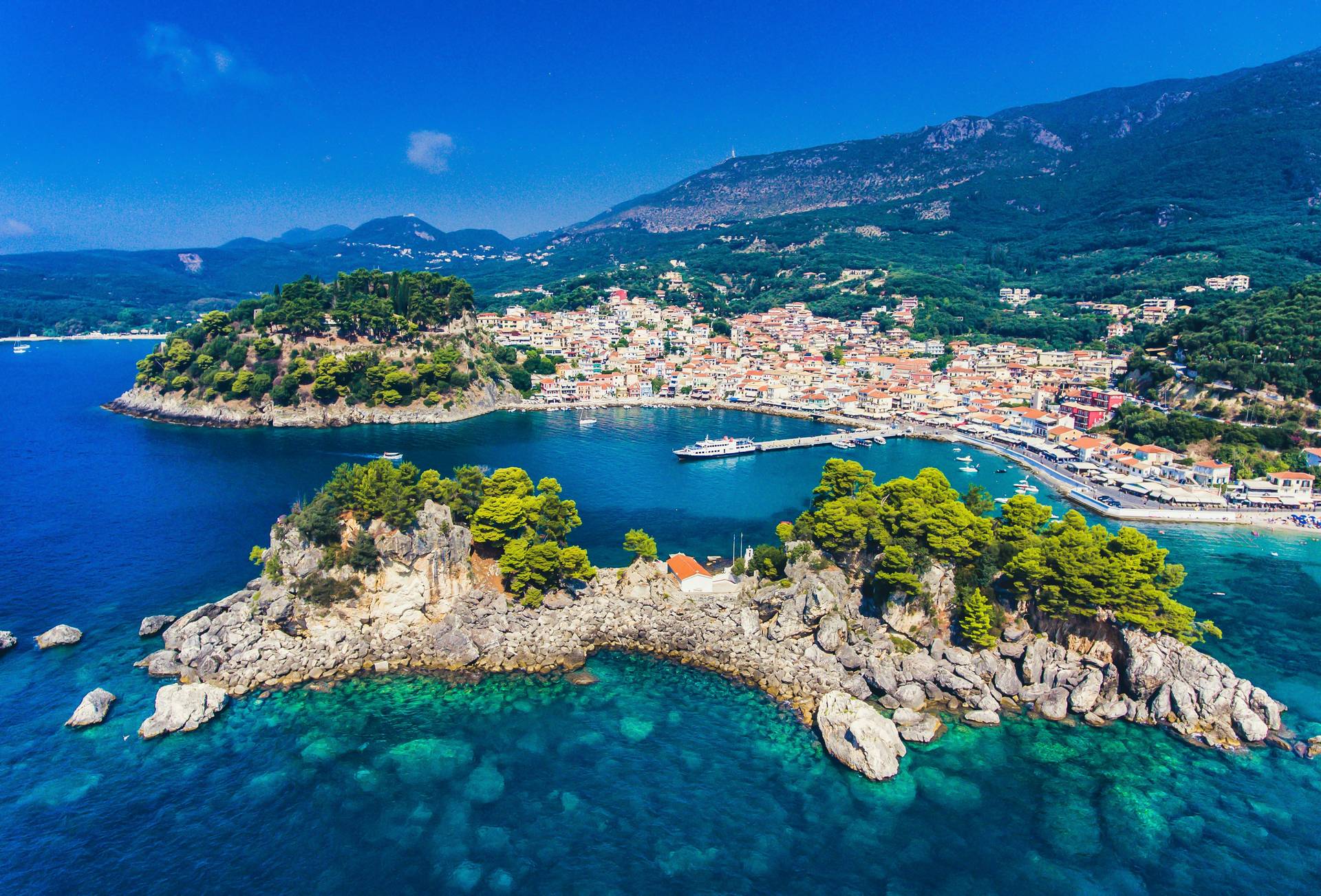
Greece serves up a classic Mediterranean climate, where summers are hot and dry, and winters are milder with a bit more rain. Expect long stretches of sunshine nearly all year, especially if you’re dreaming of those postcard-perfect blue skies. The mainland basks in reliable warmth, while the southern islands - think Crete or Rhodes - tend to turn up the heat and keep things extra mild in winter.
Different islands have their own microclimates: the Cyclades are famously breezy (ideal when you want to avoid melting), while the Ionian islands catch a bit more rain, keeping things green. Whether you’re after non-stop sunshine or a gentle spring breeze, Greece lines up the options. You just have to choose how scorchio you want your holibobs.
Seasons Overview
Spring (March - May): Spring in Greece is when things start to warm up quickly. March brings 17°C days with 7 hours of sun, and by May, it’s a balmy 25°C with only 18mm of rain. Days get longer, the sea creeps up to 19°C, and the crowds are still on the lighter side. It’s a prime time for exploring and catching early rays.
Summer (June - August): From June onwards, Greece turns up the dial. July and August hit 33°C on average, and you’ll get 12 to 13 hours of sunshine daily. Rain is almost a rumour - just 6 to 10mm a month - and the sea reaches a toasty 27°C. Expect peak beach weather and full-on holiday vibes, though don’t be surprised if you find yourself seeking shade come midday.
Autumn (September - November): Autumn cools things down without stealing the sun. September still hits 29°C, dropping to 19°C by November, and the sea stays swimmable at 20-25°C. Rain picks up a little from October, but you still get up to 10 hours of sun daily in September. It’s a relaxed, comfortable time - ideal if you want summer weather minus the summer rush.
Winter (December - February): Winter in Greece is calm and mild, especially compared to northern Europe. Temperatures sit around 14-15°C, with December and January bringing a bit more rain - 62 to 70mm - but you still get 5 to 6 hours of sunshine a day. The sea cools to 15-17°C, not exactly tempting for a dip, unless you like your swims on the brisk side.
Best Time To Visit
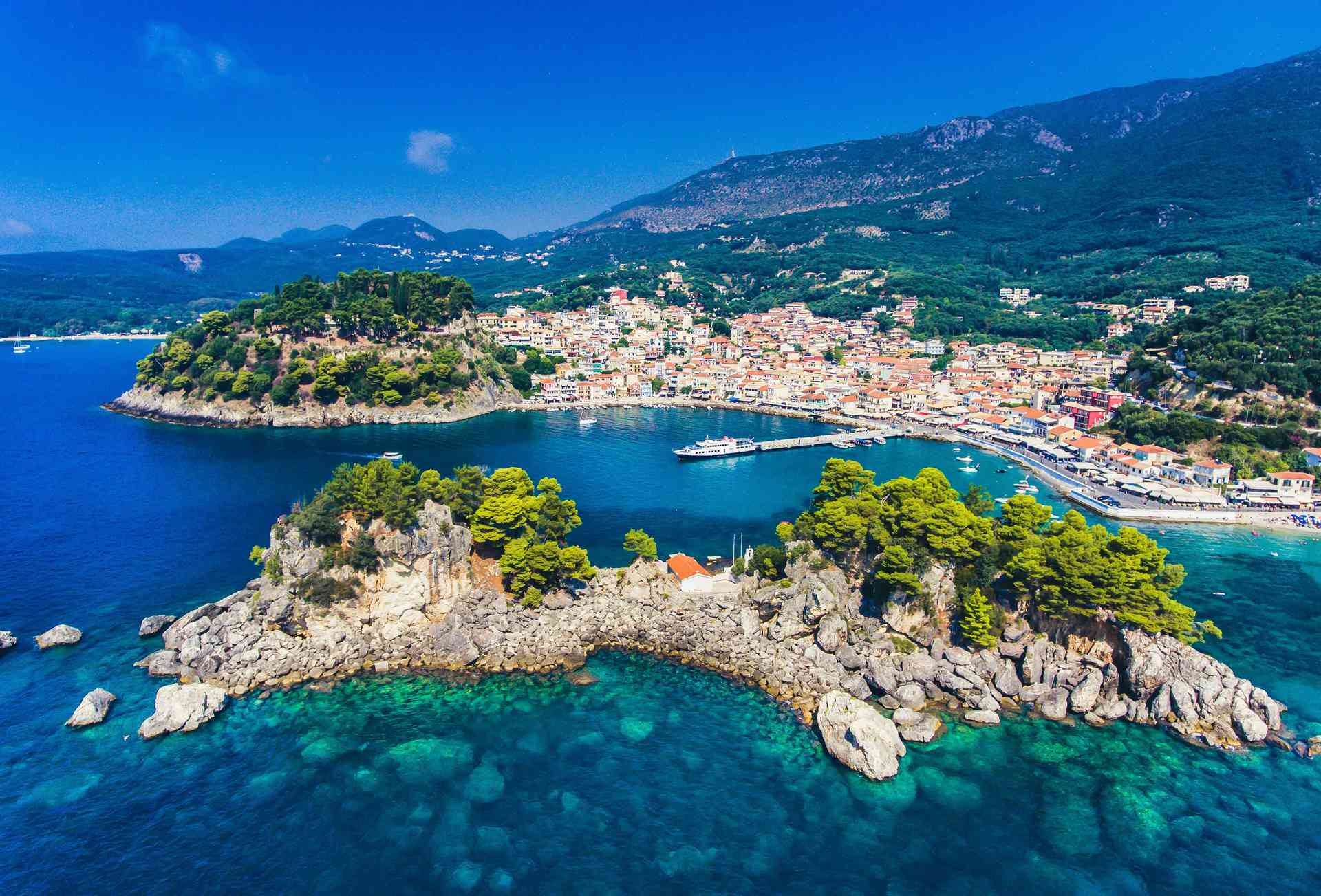
For prime beach weather in Greece, June through September is your sweet spot. Air temperatures range from a comfortable 29°C to a sizzling 33°C, and the sea is at its warmest - peaking at 27°C in August. Rainfall is minimal, so you’ll rarely have to dash for cover, and there’s plenty of sunshine, up to 13 hours a day. If you prefer things a touch quieter or cooler, late May or early October still deliver lovely conditions for swimming and sunbathing, with fewer crowds. The southern islands, like Crete, can even stretch the beach season into late autumn, thanks to their milder climate.
Temp
23°C
Average high
Rain
35mm
Per month
Sun
9hrs
Per day
Humidity
65%
Average
| January | 14°C | 62mm |
|---|---|---|
| February | 14°C | 52mm |
| March | 17°C | 48mm |
| April | 20°C | 28mm |
| May | 25°C | 18mm |
| June | 30°C | 10mm |
| July | 33°C | 6mm |
| August | 33°C | 7mm |
| September | 29°C | 18mm |
| October | 24°C | 45mm |
| November | 19°C | 60mm |
| December | 15°C | 70mm |
Average weather in Greece
- Jan14°CAvg. Rain: 62mm
- Feb14°CAvg. Rain: 52mm
- Mar17°CAvg. Rain: 48mm
- Apr20°CAvg. Rain: 28mm
- May25°CAvg. Rain: 18mm
- Jun30°CAvg. Rain: 10mm
- Jul33°CAvg. Rain: 6mm
- Aug33°CAvg. Rain: 7mm
- Sept29°CAvg. Rain: 18mm
- Oct24°CAvg. Rain: 45mm
- Nov19°CAvg. Rain: 60mm
- Dec15°CAvg. Rain: 70mm