
Destination or Hotel
Departure airport
Travel dates
Nights
Guests
Destination or Hotel
Departure airport
Travel dates
Nights
Guests
Brussels is a vibrant, multicultural city, brimming with history, art, and world-famous food. Whether you're with family, your partner, or mates, there's something for everyone.
Highlights of your Holidays to Brussels
The Grand Place. The UNESCO World Heritage central square is one of the most beautiful in Europe, ringed by ornate Baroque guildhalls and lit up like a film set after dark. Whatever else you do in Brussels, you'll end up back here three or four times.
Comic Strip Murals. Brussels is the spiritual home of the Belgian comic strip (Tintin, The Smurfs, Lucky Luke) and over 60 huge painted murals are scattered across the city. There's a self-guided walking trail and a dedicated Belgian Comic Strip Centre in a Horta-designed building.
World-Class Chocolate. Pierre Marcolini, Neuhaus, Mary, Galler, Wittamer. Brussels is where the praline was invented in 1912 and the city still has more chocolatiers per square mile than anywhere on earth. Bring an empty suitcase.
The Atomium. The 102-metre stainless steel sculpture of an iron crystal magnified 165 billion times, built for the 1958 World's Fair and still completely bonkers. You can ride lifts up between the spheres for panoramic city views and there's a museum inside.
Belgian Beer Heritage. UNESCO recognises Belgian beer culture as Intangible Cultural Heritage. Brussels has Trappist beers, lambics aged in oak barrels, gueuze blends and over 1,500 different brews available across the city's bars. The Cantillon Brewery in the city is one of the last working lambic breweries in the world.
Good to Know – Brussels Holidays 2026 / 2027
Mild Atlantic climate, four proper seasons. Summers (June to August) are pleasant at 21 to 23°C, perfect for sitting out on terraces and exploring on foot. Spring and autumn are cooler at 11 to 18°C with crisp days and the parks looking their best. Winter (December to February) drops to around 6°C and brings the famous Christmas markets and Winter Wonders festival lighting up the city centre.
The currency is the Euro (€). Brussels isn't the cheapest European city break but it's not the priciest either. Expect around €4 to €6 for a quality Belgian beer in a bar, €15 to €25 for a moules-frites lunch, and €60 to €120 a night for mid-range hotels. Cards work absolutely everywhere, contactless is standard, and there are ATMs on every other corner.
Brussels is officially bilingual French and Flemish (Dutch). All street signs, metro stations and official information appear in both languages. French is more widely spoken in day-to-day life, but English is understood pretty much everywhere, especially in hotels, restaurants and central areas. You won't have any trouble at all.
Must See, Must Do
The Grand Place. Start here. The square's at its best in the early morning before the crowds arrive, and again at night when the guildhalls are lit up. Look out for the Town Hall's Gothic spire and the Maison du Roi (King's House) directly opposite, which now houses the Brussels City Museum.
Manneken Pis. The cheeky little bronze statue of a peeing boy, just off the Grand Place, is Brussels' unofficial mascot. He has a wardrobe of over 1,000 costumes and gets dressed up regularly for festivals. Smaller than you expect but you have to see it.
The Atomium and Mini-Europe. Out in Heysel, the Atomium is the city's most iconic modern landmark and Mini-Europe (right next door) miniaturises 350 European landmarks at 1:25 scale. Brilliant combo for families, easy half-day trip on the metro.
Magritte Museum. The world's largest collection of work by surrealist René Magritte (the bowler-hatted men, the floating apples, the pipe that isn't a pipe) housed in a beautifully curated five-floor museum on the Place Royale.
Belgian Comic Strip Centre. A whole museum dedicated to comics, housed in a stunning Art Nouveau building designed by Victor Horta. You'll find Tintin, The Smurfs, Lucky Luke and centuries of original artwork.
Cantillon Brewery Tour. One of the last working traditional lambic breweries, where wild yeast spontaneously ferments beer that's then aged in oak for years. The self-guided tour ends with tastings of gueuze and kriek. Beer pilgrims travel from across the world for this.
Notre-Dame du Sablon. The Gothic church on the elegant Sablon square is gorgeous, but the real draw is the surrounding antiques quarter, with weekend markets, chocolate shops (Pierre Marcolini's flagship is right here) and proper Brussels-bourgeois cafés.
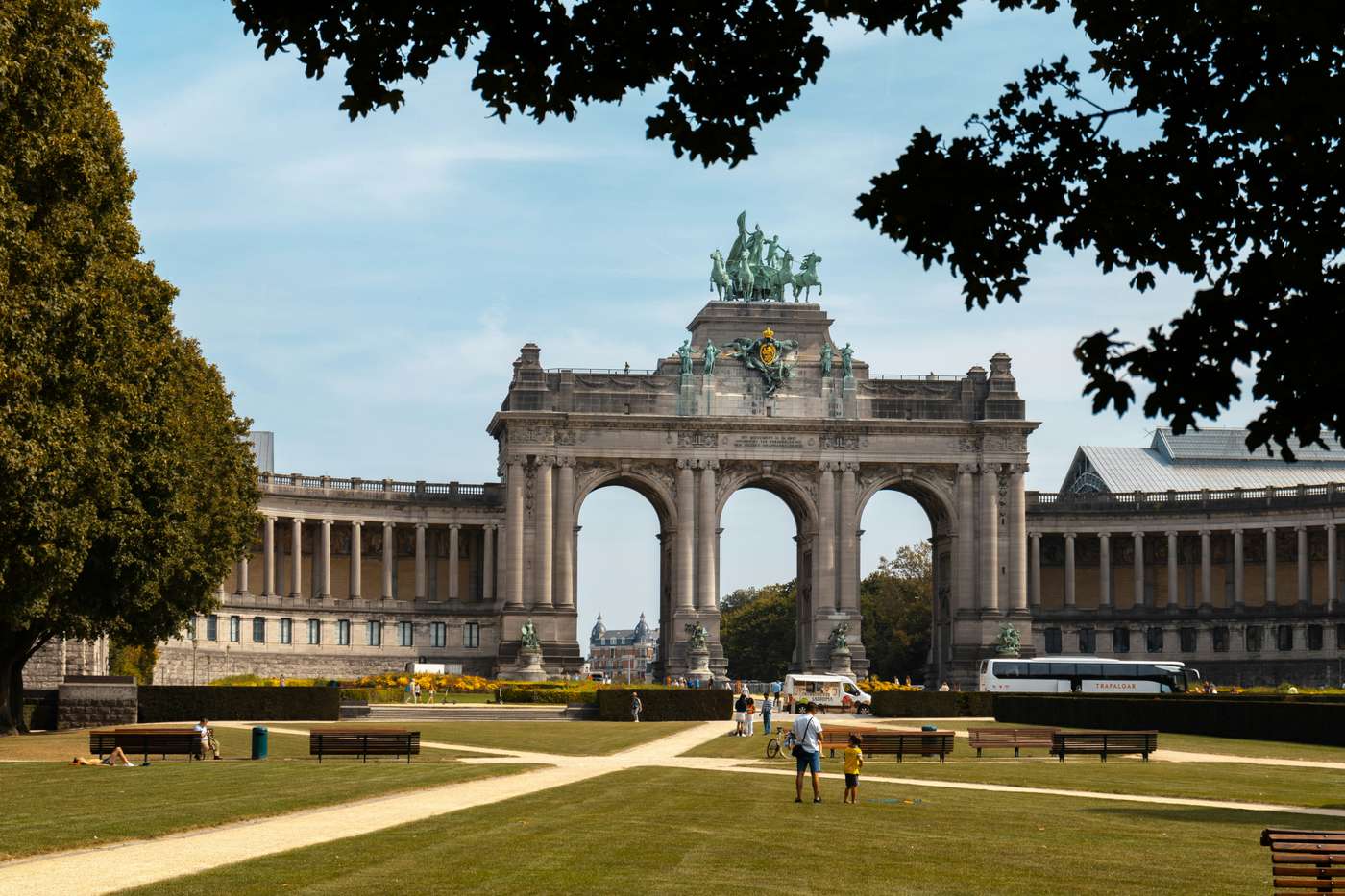
Parc du Cinquantenaire. The grand triumphal arch and surrounding park were built for Belgium's 50th anniversary in 1880 and now house several museums including AutoWorld and the Royal Military Museum. Brilliant for a sunny afternoon walk.
Top Brussels Hotels 2026/2027
Brussels has a hotel scene that punches well above its weight, with everything from Art Deco grand dames to 70s-inspired boutique stays and sleek city pads. See all our Brussels hotels here for the full inventory or browse our top picks below...
Families
Thon Hotel Brussels City Centre. A big, well-equipped hotel ten minutes' walk from the Grand Place, with a top-floor relaxation centre (gym, sauna and panoramic city views from the 29th floor), a game room for the kids, and a daily breakfast buffet to fuel sightseeing days. Extra beds and cots available on request.
ibis Brussels City Centre. A reliable family-friendly base just 500 metres from Brussels Central station, with the famous ibis SweetBeds, adjustable air conditioning and 24-hour reception. Extra beds and cots can be sorted, plus early check-in and late check-out for landing and flight days.
Best Western Hotel Royal Centre. A comfortable mid-range option right by the Royal Palace, with multilingual staff and proper family rooms. The Magritte Museum is 500 metres away and the Grand Place is a short stroll, so you can do most of central Brussels on foot.
Hotel Siru. On Place Rogier with a gym and a game room. The breakfast buffet is properly hearty and the location is brilliant for the shopping street Rue Neuve, the Comic Strip Centre and Brussels North station for day trips.
Couples
Hotel Indigo Brussels City. A boutique stunner right by the Botanical Garden, with rooms themed around tropical, herbal or floral motifs. The eco-friendly Serra restaurant does farm-to-table dining, there's a sauna and steam room, and the Grand Place is a short walk through some of the prettiest streets in the city.
The Hoxton Brussels. A 70s-inspired boutique with retro-chic rooms (sleek wooden furniture, bold stripey headboards, velvet sofas) set in the Botanical Gardens. The Tope rooftop bar is one of the coolest sundowner spots in town, with Mexican-inspired bites and properly cracking views over the city.
Hotel Siru. One of Brussels' Art Déco treasures, blending early 20th-century elegance with modern comfort right on Place Rogier. The interiors are properly stylish, the location handy for romantic strolls into the Old Town, and the rooms have that grown-up European city break feel.
Aqua Hotel Brussels. A modern, art-filled hotel in the upmarket Louise / Toison d'Or neighbourhood, two minutes from Porte de Namur metro and a short walk to Avenue Louise's designer shopping. The Magritte Museum, European Parliament and Grand Place are all an easy stroll away.
Luxury
Hotel Indigo Brussels City. The pick of the boutique luxury options, with botanical-themed rooms across nine floors, an eco-conscious farm-to-table restaurant, gym, sauna, steam bath and Turkish hammam. Properly stylish, properly comfortable, properly Brussels.
The Hoxton Brussels. Cool-luxury rather than chandelier-luxury, with retro-design rooms, a coworking space, bike storage and the Tope rooftop bar serving cocktails with city views. The kind of hotel you book for the design as much as the location.
Hotel Siru. The Art Déco flagship of Place Rogier, with 101 stylish rooms, a gym, a game room and proper European-grand-hotel character. A different flavour of luxury to the boutique brands and worth it for that.
Groups
The Hoxton Brussels. A group's dream, with the rooftop bar for sundowners, communal lounges built for hanging out, a coworking space if anyone needs to actually pretend to work, and bike storage for exploring the city together. The location near Botanique puts you close to the nightlife around Sainte-Catherine and the Old Town.
Thon Hotel Brussels City Centre. The big-hotel scale means you can easily book a block of rooms, and the on-site O Bar plus a games room give the group a proper hub. Ten minutes from the Grand Place and the bar quarter, so you can roll out for dinner together with no faff.
Aris Grand Place. Bang in the historic centre, five minutes' walk from Gare Centrale, and 100 metres from the Grand Place itself. Manneken Pis around the corner, the bar street Rue des Bouchers a stone's throw, and 55 cosy rooms that work well for groups who want to be in the thick of it.
Value
easyHotel Brussels City Centre. Smart-design, no-frills value right in the city centre. Queen-size beds with four-star-style mattresses, blackout blinds, ensuite bathrooms. De Brouckère Metro Station is three minutes away and the Grand Place is a short walk. The kind of hotel you book when you're going to be out exploring all day anyway.
B&B Hotel Brussels Centre Louise. Modern, comfortable rooms 50 metres from Avenue Louise in one of the city's smarter neighbourhoods, with a lush garden, hearty breakfast buffet (gluten-free options) and 24-hour reception. Brilliant value for the postcode.
Urban Yard Hotel. 77 recently renovated rooms in a historic building, right next to South Railway station (handy for the Eurostar). The Grand Place is 1.9 km away and Lemonier metro is 500 metres away, so the rest of the city is properly easy to reach.
Where to Stay on Your Brussels Holidays
Families
The historic centre around the Grand Place and Brussels Central station is the best base for families, putting you within walking distance of Manneken Pis, the Royal Palace, the Comic Strip Centre and most of the major museums. It's properly walkable, well-served by the metro for trips out to Mini-Europe and the Atomium, and packed with family-friendly waffle and pancake spots. Saint-Catherine, just north of the Grand Place, is a slightly quieter alternative with the same easy reach.
Couples
The Sablon and Louise areas are the most romantic bases in the city. Sablon is all antiques shops, chocolate flagships and elegant cafés around the Notre-Dame du Sablon church. The Louise district further south is the upmarket shopping and dining area, with Avenue Louise's designer boutiques and Art Nouveau townhouses. The Botanical Garden area near Place Rogier is another good shout, with boutique hotels in walking distance of both the Old Town and the more grown-up neighbourhoods.
Groups
Stay central. The area around the Grand Place, Sainte-Catherine and the Bourse puts you in the middle of the city's bar and restaurant action, especially around Rue des Bouchers (a properly old-school restaurant alley) and Place Saint-Géry (the cooler, younger nightlife district). The Hoxton's location near Botanique is also brilliant for groups who want a stylish base with the rooftop bar built in.
Local Lingo for Your Brussels Holidays
Brussels is officially bilingual French and Flemish (Dutch), and you'll see and hear both everywhere. Most tourist-facing locals speak excellent English so you'll get by easily, but a few phrases go a long way.
Bonjour (bon-ZHOOR), Hello in French. The default greeting in shops, cafés and restaurants in the city centre.
Goeiedag (KHOO-yuh-dakh), Hello in Flemish. You'll hear it more in the suburbs and from older locals, and using it always raises a smile.
Une frite, s'il vous plaît (oon FREET seel-voo-PLAY), A portion of chips, please. Belgians invented frites and they take them seriously, served in a paper cone with mayo (or curry mayo, or andalouse, or samurai sauce).
Santé (san-TAY), Cheers in French. Schol (skoll) in Flemish. Both work, both expected when you raise a Trappist beer.
Merci (mair-SEE), Thank you in French. Dank u (dank-oo) in Flemish. Worth knowing both because Brussels expects you to switch as needed.
Holidays to Brussels – Travel Guide 2026 / 2027
Families
Mini-Europe and the Atomium. The combined day out near Heysel, with miniature versions of 350 European landmarks at Mini-Europe and the giant iron crystal of the Atomium next door. Properly hands-on for kids, easy on the metro from the centre.
Museum of Natural Sciences. Home to one of Europe's biggest dinosaur galleries, including a row of 30 iguanodons unearthed from a Belgian coal mine. Genuinely impressive and engaging for all ages.
Choco-Story Brussels. A chocolate museum where kids learn about (and taste) the entire bean-to-bar process, with live demonstrations from a master chocolatier. Tastings included, obviously.
Parc du Cinquantenaire. Massive green space around a triumphal arch, perfect for picnics, bike rides and letting kids run about. AutoWorld inside the park has a vintage car collection that wins over even the most reluctant museum-goers.
Couples
Sunset at the Grand Place. Grab a table at a café on the square in the late afternoon, order a Belgian beer or a hot chocolate depending on the season, and watch the guildhalls light up after dark. Properly romantic, properly Brussels.
Magritte Museum. The surrealist's largest collection housed in a beautifully designed five-floor museum on Place Royale. A different kind of date afternoon and the perfect setup for a long lingering dinner afterwards.
Trappist Beer Evening. Find a proper Belgian café (Moeder Lambic in Saint-Gilles or A La Mort Subite near the Grand Place) and work your way through a flight of Trappist beers brewed by monks. Each comes in its own branded glass and the bar staff actually know what they're talking about.
Sablon Square Stroll. Antique shops, weekend markets, the Pierre Marcolini chocolate flagship and elegant cafés around the Notre-Dame du Sablon church. The most grown-up, romantic neighbourhood in central Brussels.
Groups
Cantillon Brewery Tour. One of the last traditional lambic breweries in the world, where wild yeast ferments beer in oak barrels for years. The self-guided tour ends with tastings and the gift shop sells bottles you can't get anywhere else. A proper group activity for beer-loving mates.
Comic Strip Mural Walk. Over 60 huge painted murals (Tintin, Lucky Luke, The Smurfs and more) are scattered across the city centre and a self-guided walking trail links them up. Genuinely good fun and a different way to see Brussels.
Urban Golf. A guided group activity that has you swinging your way through the city's streets and squares, with a tour guide explaining landmarks as you go. Sounds daft, works brilliantly.
Frites and Brasserie Crawl. Start with a paper cone of frites from Maison Antoine on Place Jourdan, work through a couple of beer cafés, and end up at a proper brasserie for moules-frites or carbonnade flamande. Belgian eating at its best, designed for a group.
More Destinations for 2026/2027
Amsterdam, Canal-side city break with the Anne Frank House, Van Gogh Museum, world-famous bike culture and the kind of laid-back atmosphere that makes a long weekend feel like a proper holiday.
Paris, The City of Light with the Eiffel Tower, Louvre, Notre-Dame and the world's most famous café terraces. Romantic, iconic and properly walkable along the Seine.
Prague, Fairytale Old Town with Charles Bridge, the Astronomical Clock and Prague Castle (the largest ancient castle in the world), all wrapped in proper Pilsner culture and brilliant value.
Cologne, Rhine-side city break with the UNESCO Cathedral, riverboat cruises, the famous Christmas markets and Kölsch beer brewed nowhere else in the world.
Antwerp, Belgium's fashion and diamond capital with a stunning Gothic cathedral, the Rubens House, the striking MAS Museum on the docklands and a properly cool independent café scene.
Belgium, The wider country, with medieval Bruges, canal-laced Ghent, the Ardennes forest and World War One battlefields all an easy train ride from the capital.
Popular Brussels hotels
More Brussels hotelsWeather in Brussels
JAN
FEB
MAR
APR
MAY
JUN
JUL
AUG
SEP
OCT
NOV
DEC
View destination on a map
View destination on a map
FAQs
What language do they speak in Brussels?
What language do they speak in Brussels?
Brussels is officially bilingual, with both French and Dutch (Flemish) used across the city. In practice, you’ll see both languages everywhere, on street signs, metro maps, official buildings and menus, often side by side.
French is more commonly spoken in everyday life in central Brussels, but English is widely understood in hotels, restaurants, attractions and shops, so visitors rarely have any communication issues.
Language breakdown in Brussels
Context | Most common language |
Street signs & transport | French + Dutch (bilingual) |
City centre conversation | Mostly French |
Government / official use | French + Dutch |
Tourist areas | English widely spoken |
Quick takeaway
You don’t need French or Dutch to visit Brussels comfortably, but a simple “bonjour” or “dank u” is always appreciated.
Is Brussels walkable?
Is Brussels walkable?
Yes, Brussels is one of Europe’s most walkable capital cities, especially the historic centre. Most major sights are close together, and you can easily explore large parts of the city on foot.
Walking distances between key attractions
Route | Time |
Grand Place → Manneken Pis | ~5 minutes |
Grand Place → Sablon quarter | ~10–15 minutes |
Grand Place → Royal Palace | ~10 minutes |
Royal Palace → Parc du Cinquantenaire (edge of centre) | ~25–30 minutes |
What’s walkable vs what needs transport
Walkable (central core):
Grand Place
Manneken Pis
Sablon antiques district
Royal Gallery of Saint Hubert
Brussels Cathedral
Use metro/tram for:
Atomium (≈25–30 mins from centre)
EU Quarter
Avenue Louise (shopping district outskirts)
Heysel Park area
Getting around Brussels
Transport | Cost | Best for |
Metro / Tram / Bus | ~€2.50 single / ~€8 day pass | Fast cross-city travel |
Walking | Free | Historic centre sightseeing |
Bike / e-bike | From ~€10–€20/day | Flexible exploring |
Brussels is compact in the centre but spread out at the edges, walk the core, use transport for everything else.
What's the food and drink scene like?
What's the food and drink scene like?
Brussels is one of Europe’s strongest food cities, especially for comfort food, chocolate and beer. It blends classic Belgian dishes with a world-leading beer culture and an almost overwhelming number of chocolate shops.
What Brussels is famous for
Frites: Crispy Belgian fries served in paper cones with mayo, andalouse or ketchup
Moules-frites: Mussels cooked in white wine, cream or garlic
Waffles: Liège waffle: dense, caramelised sugar chunks, brussels waffle: light, crisp, rectangular.
Chocolate: Home of the praline (invented in Brussels in 1912)
Beer: Over 1,500 varieties across the city
Chocolate & beer highlights
Category | Standouts |
Chocolate | Neuhaus, Pierre Marcolini, Leonidas, Mary |
Beer bars | Delirium Café, Moeder Lambic, À la Mort Subite |
Unique brews | Trappist ales, lambics, fruit beers |
Why Brussels stands out
Highest concentration of chocolate shops in Europe
One of the world’s most diverse beer selections
Street food culture built around frites stands (“friteries”)
Strong mix of Michelin-level dining and casual cafés
In short: Brussels is a city where snacks are serious business.
When's the best time to visit Brussels?
When's the best time to visit Brussels?
Brussels is a true year-round city break destination, with each season offering a different experience.
Seasonal breakdown
Season | Temperature | What to expect |
Spring (Mar–May) | 11–18°C | Blossoms, fewer crowds, ideal walking weather |
Summer (Jun–Aug) | 20–23°C | Outdoor terraces, festivals, busiest season |
Autumn (Sep–Nov) | 10–18°C | Golden colours, cosy cafés, fewer tourists |
Winter (Dec–Feb) | 3–7°C | Christmas markets, festive lights, beer halls |
Best time depending on your trip style
City sightseeing: April–June or September
Food & beer trips: Year-round (indoor culture dominates)
Christmas markets: Late November to early January
Budget travel: January–March (lowest hotel prices)
Quick takeaway
There’s no bad time to visit Brussels, it just depends whether you want sunshine terraces, festive lights, or quieter streets.
Where's good for shopping in Brussels?
Where's good for shopping in Brussels?
Brussels has a surprisingly diverse shopping scene, from luxury fashion streets to historic arcades and weekend antique markets. Everything is within a relatively compact area, making it easy to combine shopping with sightseeing.
Main shopping districts
Area | Vibe | What you’ll find |
Rue Neuve | Main high street | High street brands, City2 mall |
Avenue Louise | Upscale luxury | Designer fashion, premium brands |
Sablon Quarter | Elegant & cultural | Antiques, chocolates, galleries |
Galeries Royales Saint-Hubert | Historic arcade | Chocolatiers, jewellery, cafés |
Top shopping areas explained
Rue Neuve - Brussels’ busiest pedestrian shopping street, packed with international chains and anchored by the City2 shopping centre.
Avenue Louise & Toison d’Or - The luxury end of the city, Belgian designers, high-end fashion houses and global luxury brands.
Sablon Quarter - A more atmospheric shopping area known for antiques, boutique chocolate shops and a weekend antique market.
Galeries Royales Saint-Hubert - One of Europe’s oldest covered shopping arcades (opened in 1847). Glass-roofed, elegant and home to historic chocolatiers and cafés.
What to buy in Brussels
Belgian chocolate boxes (ideal gifts)
Craft beer sets and Trappist ales
Lace and handmade textiles
Vintage antiques from Sablon markets
Designer fashion from Belgian brands
Brussels shopping is less about malls and more about beautiful streets, arcades and specialty stores, especially if you stick close to the city centre.
How many days do you need in Brussels?
How many days do you need in Brussels?
Most visitors find that 2 to 3 days in Brussels is ideal. That’s enough time to see the main landmarks, enjoy the food scene and explore a couple of neighbourhoods without rushing.
Brussels is compact in the historic centre but has enough variety (museums, beer bars, architecture, EU district) to comfortably fill a long weekend.
Suggested trip lengths
Duration | What you can realistically do |
1 day | Grand Place, Manneken Pis, quick food stops, short walk around centre |
2 days | Add museums, Sablon, beer tasting, relaxed dining |
3 days | Include Atomium + EU Quarter or a half-day trip to Bruges or Ghent |
Quick takeaway
Weekend break: Perfect fit
Long stay: Good base for wider Belgium
Short stopover: Still worth it, even for a day
Is Brussels expensive?
Is Brussels expensive?
Brussels is mid-range for a European capital, sitting between cheaper Eastern European cities and pricier destinations like Paris or Amsterdam. Food and beer can be very affordable if you avoid only tourist-heavy restaurants.
Typical daily costs in Brussels
Item | Average price |
Coffee | €3–€4 |
Belgian beer | €5–€7 |
Street food (frites / waffle) | €4–€8 |
Casual restaurant meal | €18–€30 |
Mid-range hotel | €120–€200 per night |
Public transport day pass | ~€8 |
Where your money goes further
Friteries (chip shops) instead of sit-down restaurants
Local beer cafés instead of tourist bars
Public transport instead of taxis
Visiting museums with city passes
Quick takeaway
Brussels isn’t a budget city, but it’s very manageable, especially compared to other Western European capitals.
Is Brussels good for a weekend city break?
Is Brussels good for a weekend city break?
Yes, Brussels is one of Europe’s most practical and rewarding weekend breaks, especially from the UK. Short flight times, a compact centre and strong food and drink culture make it easy to enjoy in 2–3 days.
Why Brussels works for weekends
Quick access: 1 hour flight from London
Compact centre: Most attractions within walking distance
Food & drink focus: Beer, chocolate and waffles everywhere
Lots to see in a small area: Grand Place, museums, galleries
Great connections: Easy day trips to Bruges, Ghent and Antwerp
Brussels is built for short breaks, you won’t feel rushed, and you won’t run out of things to do.